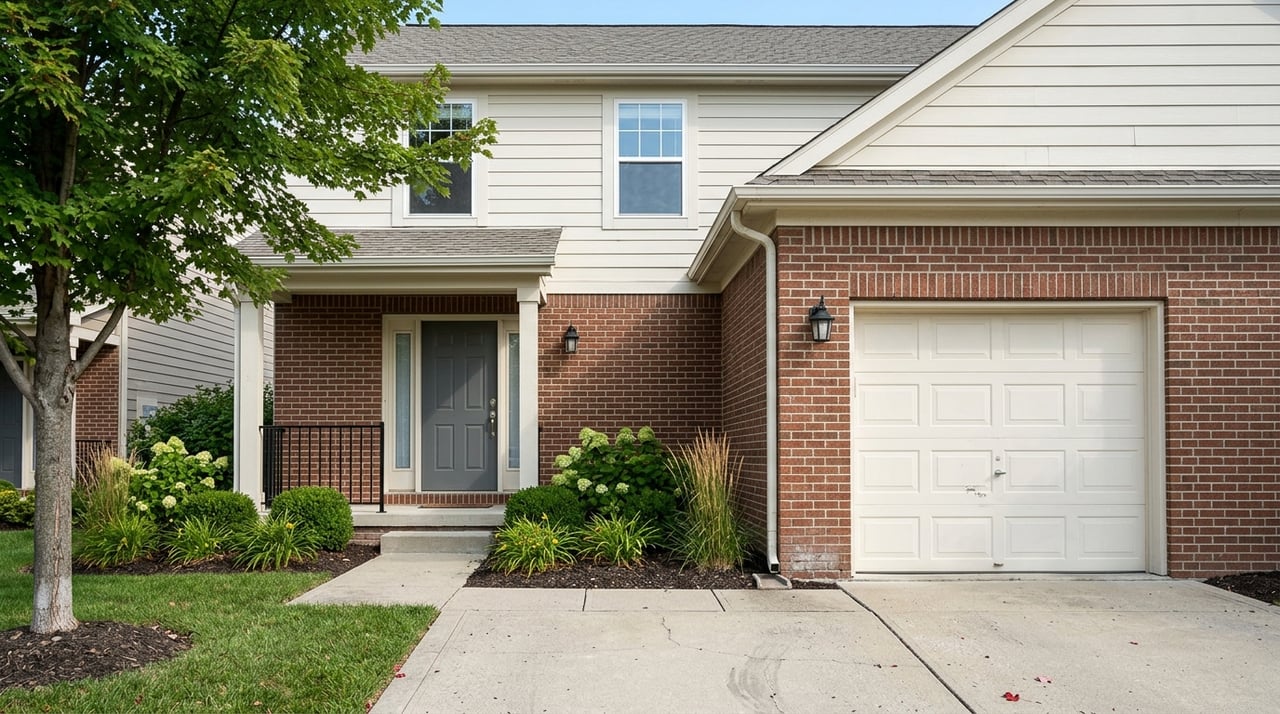
Buying your first home in Orland Park can feel like a balancing act. You want enough space, a manageable monthly payment, and a home that fits your lifestyle without stretching your budget too far. The good news is that Orland Park does offer realistic starter-home options if you know where to look and what tradeoffs to expect. Let’s dive in.
What Starter Homes Look Like in Orland Park
Orland Park is an established suburban market, not a place with a large supply of low-priced new construction. According to CMAP, 57.5% of housing units are single-family detached, 21.1% are single-family attached, and 16.2% are in buildings with 5 or more units. The median year built is 1988, which points to a market shaped by older, established housing rather than newer entry-level developments.
That matters if you are shopping for a starter home. In practical terms, many entry-level options in Orland Park tend to be older condos, townhomes, and smaller detached houses instead of brand-new single-family homes. The area also has a useful size mix for first-time buyers, with 30.3% of homes offering 2 bedrooms and 36.3% offering 3 bedrooms.
Why Monthly Cost Matters Here
It is easy to focus on list price first, but Orland Park buyers usually need to look at the full monthly picture. Census QuickFacts shows a median value of owner-occupied homes of $367,200 and median monthly owner costs of $2,427 with a mortgage. That helps explain why affordability here is often about more than the purchase price alone.
If you are comparing options, you will want to look at property taxes, insurance, HOA dues, and expected maintenance along with your mortgage payment. A lower-priced condo, for example, may still carry a higher monthly cost than you expect once association fees are added. A small detached home may skip the HOA but require more repair and upkeep over time.
Condo Options for Lower Entry Prices
For many buyers, condos are the most affordable way into the Orland Park market. Redfin currently shows 28 condos for sale with a median listing price of $230,000. Current examples range from a 1-bedroom, 1-bath unit at $164,808 to a 2-bedroom, 2-bath condo at $215,000.
That lower price point can make condos appealing if your top priority is getting into homeownership with less upfront cost. You may also find a simpler maintenance routine, since some exterior responsibilities are often handled by the association. That can be helpful if you want a more predictable day-to-day ownership experience.
The tradeoff is the HOA. Consumer guidance cited in the research report notes that HOA dues are usually separate from the mortgage payment and can add a meaningful amount to your monthly cost. One current Orland Park townhouse-style condo listing at $299,000 includes a $250 HOA, with exterior maintenance and snow removal covered.
Townhomes as a Middle-Ground Choice
If you want more space than a condo but are not ready for the upkeep of a detached house, a townhome may be the best fit. Redfin currently shows 24 townhouses for sale in Orland Park at a median listing price of $367,000. Active listings in the market include 2-bedroom and 3-bedroom homes around $300,000 to $350,000.
Townhomes often give you a practical mix of space and convenience. In Orland Park, buyers may find features like attached garages, finished basements, patios, and HOA-covered landscaping or snow removal. For many first-time buyers, that can create a more comfortable step into ownership.
This is why townhomes often stand out as the most balanced starter-home option. You may get more usable square footage than a condo while still keeping some exterior maintenance off your plate. Just remember to factor in any HOA costs when comparing them with detached homes.
Smaller Single-Family Homes for Traditional Ownership
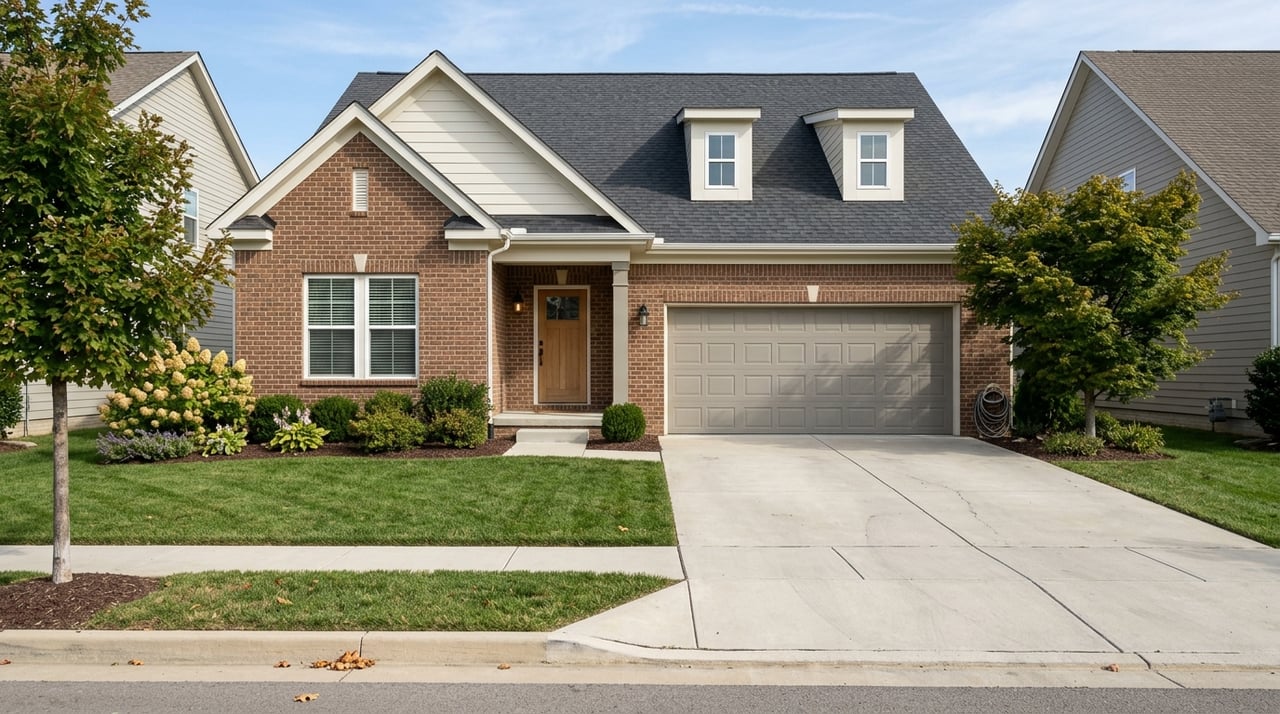
If your goal is a yard, more privacy, or a more traditional suburban setup, smaller single-family homes are still part of the conversation. Redfin’s under-$350,000 segment shows 36 homes in that price range, including examples like a red-brick ranch and a 3-bedroom, 1-bath home listed at $325,000.
These homes can be a strong fit if you want more control over your property and fewer shared walls. They also appeal to buyers who see long-term value in owning a detached home from the start. In a suburb where detached homes make up a large share of the housing stock, that option still matters.
The challenge is that supply is thinner than the attached-home market. Since Orland Park’s housing stock is older overall, you should also be prepared for maintenance, repairs, or future update costs. That does not mean these homes are out of reach, but it does mean your budget should include more than the mortgage payment.
Where Lower-Priced Opportunities Tend to Be
Budget-conscious buyers often want to know where they should focus their search first. Current neighborhood snapshots suggest that lower-price pockets may be found in areas such as Central Orland, Meadow Park, and Orland Crossing. Redfin reports median sale prices of about $302,000 in Central Orland, $327,000 in Meadow Park, and $330,000 in Orland Crossing.
These areas are worth watching because they may offer more older homes, attached housing, or smaller properties at more attainable price points than other parts of Orland Park. This is not a formal starter-home label, but it is a useful way to narrow your search if you are trying to stay within a first-time buyer budget. In a market where prices can move quickly, focusing on a few realistic pockets can save time.
What the Market Feels Like Right Now
Orland Park is not an ultra-slow market, but it is also not a market where every listing disappears overnight. Redfin’s March 2026 snapshot puts the citywide median sale price at $347,500, with homes receiving about 3 offers on average and selling in about 46 days. In the under-$350,000 segment, there were 36 homes, with an average of about 34 days on market and about 2 offers.
For you as a buyer, that means preparation still matters. Homes in entry-level price ranges can attract attention, but you may have a bit more room to compare options than in a very fast-moving market. The key is to be clear about your budget, your must-haves, and your comfort level with updates or HOA costs.
Commuting Can Affect Affordability
Your home search is not only about the house itself. Commute patterns can shape your monthly budget and daily routine just as much as square footage. CMAP estimates that 71.6% of workers drive alone, 3.7% use transit, and the mean commute time is 33.7 minutes.
Orland Park also maintains commuter parking and station access at the 143rd, 153rd, and 179th Street Metra lots. If you commute regularly, location near your preferred route or station may be worth weighing alongside purchase price. A home that looks cheaper on paper may feel less practical if transportation adds cost or stress to your week.
Costs First-Time Buyers Should Plan For
Before you choose between a condo, townhome, or detached house, it helps to map out the full ownership budget. The research report highlights several costs buyers should plan for beyond the list price.
Here are the main ones to review:
- Mortgage payment
- Property taxes
- Homeowners insurance
- HOA dues, if applicable
- Closing costs
- Ongoing maintenance and repairs
This is especially important in Orland Park, where the median monthly owner cost with a mortgage is $2,427. Looking at the total monthly number can help you avoid choosing a home that fits your purchase budget but feels tight once every expense shows up.
Tax Exemptions and Assistance Programs
Some buyers can improve affordability by using available programs and exemptions. In Cook County, the Homeowner Exemption saves the average homeowner about $950 per year, and the Assessor’s Office notes that it renews automatically once applied. That kind of tax savings can make a real difference in your yearly housing costs.
Eligible buyers may also want to explore IHDA’s Access Home program. According to the research report, it offers assistance equal to 6% of the purchase price, up to $15,000, toward down payment and closing costs for eligible first-time homebuyers or exempt buyers statewide. If upfront cash is your biggest hurdle, this type of program may help bridge the gap.
How to Choose the Right Starter Option
The best starter home in Orland Park depends on what matters most to you. If your goal is the lowest possible entry price, a condo may be the strongest option. If you want more room with less exterior maintenance, a townhome may be the better fit.
If privacy and yard space matter most, a smaller detached home may be worth the extra upkeep. The important thing is to compare each option based on total monthly cost, lifestyle fit, and how much home maintenance you are comfortable handling. In this market, the smartest first purchase is often the one that feels sustainable for the next few years.
If you are thinking about buying your first home in Orland Park, working with a local team can make the process feel much more manageable. The Lauren Roman Group helps buyers understand local pricing, compare home types, and move forward with confidence in a competitive suburban market.
FAQs
What types of starter homes are most common in Orland Park?
- The most realistic starter-home options in Orland Park are typically condos, townhomes, and smaller older single-family homes rather than large amounts of low-priced new construction.
What is the most affordable way to buy in Orland Park?
- Condos are often the lowest-price entry point, with Redfin showing a median listing price of $230,000 in the current market snapshot.
Are townhomes a good starter-home option in Orland Park?
- Yes, townhomes can be a strong middle-ground choice because they often offer more space than condos while keeping some exterior maintenance responsibilities lighter than a detached home.
What should first-time buyers budget for beyond the home price in Orland Park?
- You should plan for property taxes, homeowners insurance, HOA dues if applicable, closing costs, and ongoing maintenance and repairs in addition to your mortgage payment.
Where can buyers look for lower-priced homes in Orland Park?
- Current market snapshots suggest that buyers may find more attainable pricing in areas such as Central Orland, Meadow Park, and Orland Crossing.
Are there first-time buyer programs that can help in Orland Park?
- Eligible buyers may benefit from IHDA’s Access Home program for down payment and closing cost assistance, and Cook County homeowners may also qualify for the Homeowner Exemption to help reduce property tax costs.