Wondering whether Dyer should make your shortlist? If you are comparing Northwest Indiana communities, it helps to look past the map and focus on what daily life might actually feel like. From housing style and price signals to commute options and local amenities, here is what you should know before deciding if Dyer fits your goals. Let’s dive in.
Dyer at a glance
Dyer is a Lake County town with about 16,400 residents across 6.2 square miles. Census data shows a median age of 47.1, which points to a more established community rather than a place with a heavy short-term renter feel.
Another standout number is homeownership. About 90.0% of housing units are owner-occupied, which supports the picture of Dyer as a stable, residential suburb with many long-term homeowners.
Housing in Dyer
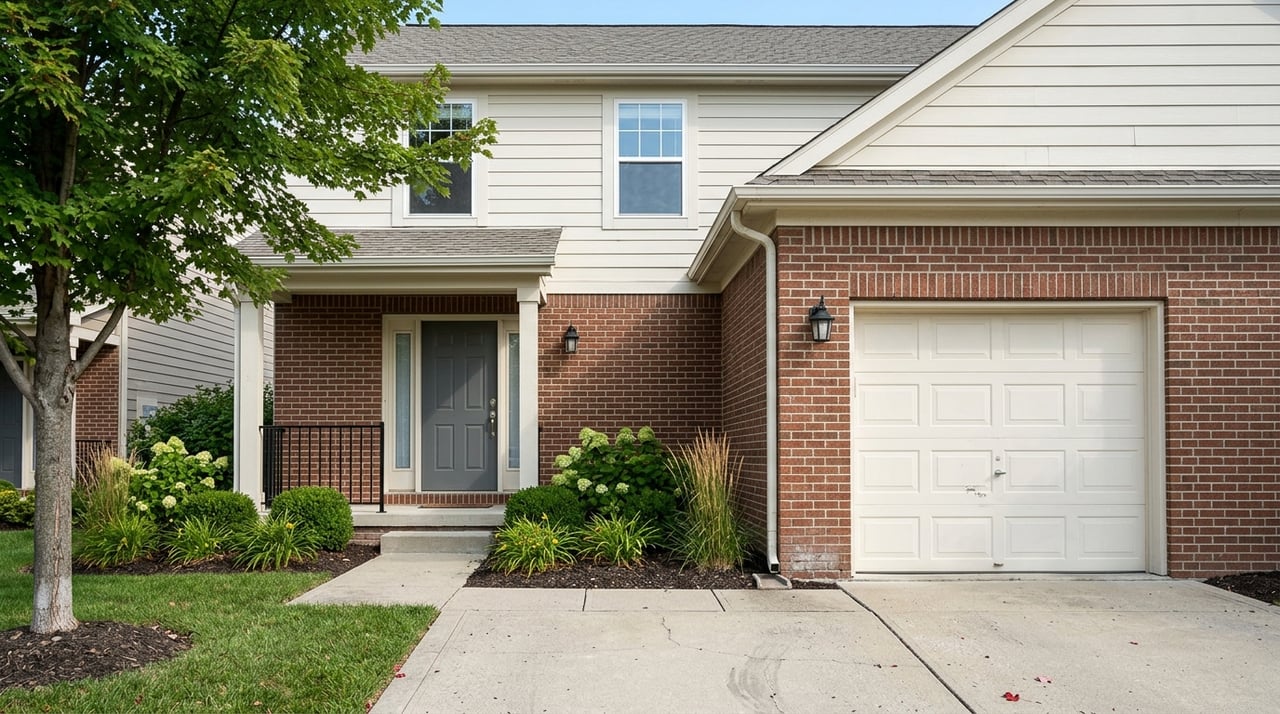
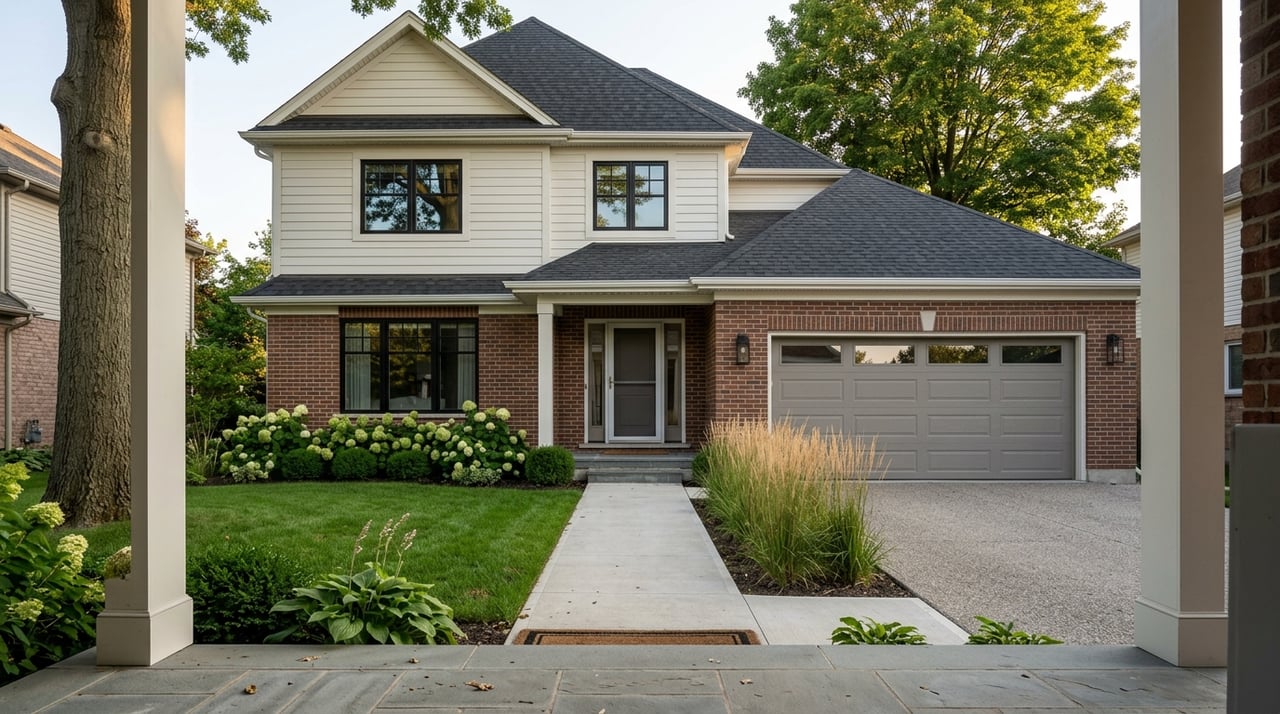
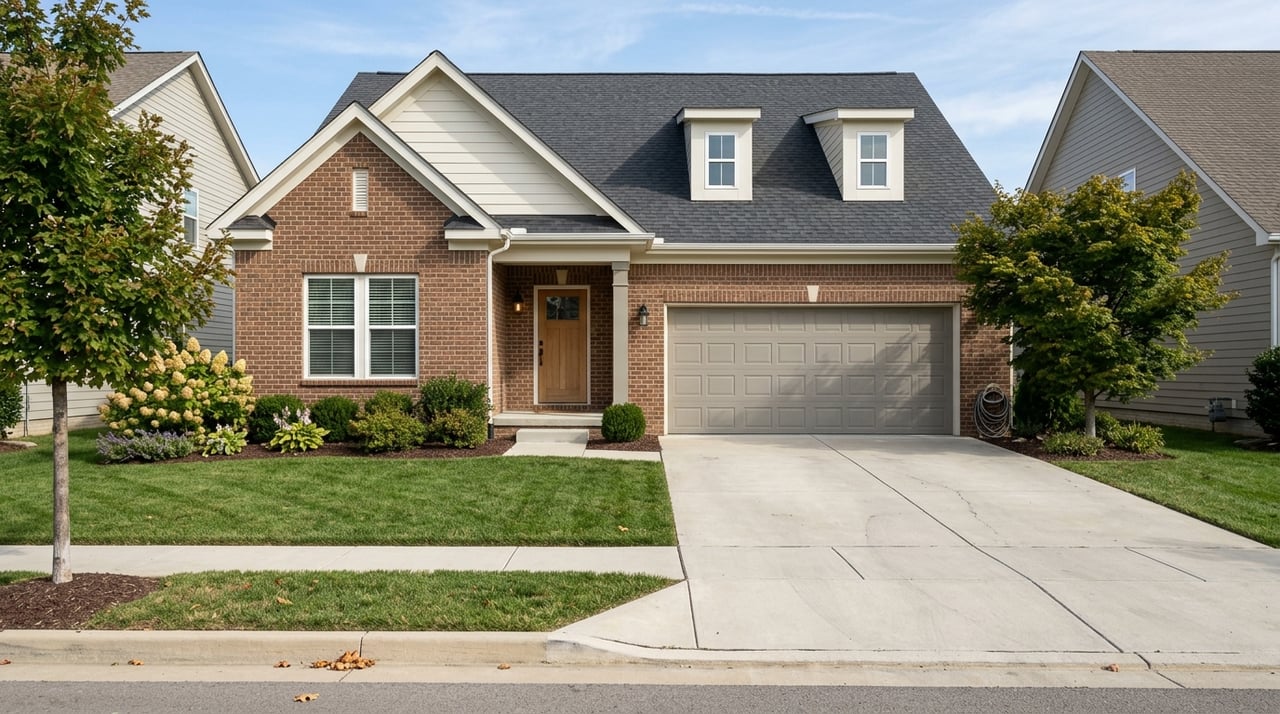
If you picture Dyer as a mostly single-family community, that picture is accurate. The town’s comprehensive plan describes Dyer as a mature, built-up community made up primarily of single-family homes, with multifamily housing concentrated mainly along Sheffield Avenue.
That lines up with Census Reporter data showing that 91% of the housing stock is single-unit. For many buyers, that means Dyer offers a housing pattern that feels more suburban and less apartment-focused.
What home prices suggest
Dyer is not the lowest-cost option you will find in Indiana. Recent market snapshots place the median owner-occupied home value at $322,200, while Redfin reports a median sale price of $311,000 for the three months ending May 2026.
Zillow’s April 30, 2026 snapshot shows a typical home value of $357,819 and a median list price of $351,617. While each source uses a different method, the overall signal is consistent: Dyer pricing tends to track more like a Chicago-area suburb than many lower-priced Indiana towns.
What the market pace looks like
For buyers, Dyer does not appear to be a market where every home disappears instantly. Redfin reports homes averaging 45 days on market and about 3 offers, while Zillow reports homes going pending in around 31 days.
That suggests a market with real demand, but not necessarily one where you should expect every listing to be gone in a weekend. If you want a mostly single-family community with established housing stock, Dyer may offer a solid middle ground between speed and selection.
Commute options from Dyer
Commute is often the factor that decides whether a town works long term. In Dyer, the story is a mix of road access and commuter rail, which gives you more than one way to think about your workweek.
Census data shows a mean travel time to work of 29.5 minutes. That number will not predict your exact drive or train trip, but it does suggest a commute pattern that many suburban buyers may find manageable.
Driving routes and regional access
If you drive, Route 30 and Calumet Avenue are central to how Dyer functions. The town plan identifies Route 30 as the main east-west corridor, while Calumet Avenue north of Route 30 serves as a principal arterial connecting toward Interstate 80-94.
In practical terms, that means Dyer is built with regional access in mind. If your work or routine takes you across Northwest Indiana or toward the broader expressway network, that layout matters.
South Shore Line access
Rail access is now part of Dyer’s appeal too. The South Shore Line’s Monon Corridor officially began passenger service on March 31, 2026, running between Hammond and Dyer.
According to the official project information, service runs between Millennium Station in downtown Chicago and Main Street in Munster/Dyer. The corridor includes four stations: Hammond Gateway, South Hammond, Munster Ridge, and Munster/Dyer.
For some buyers, that rail option can expand what feels possible. If you want suburban living but still need access to downtown Chicago or other points along the line, Dyer now has a stronger commuter story than it did before.
Lifestyle in Dyer
Dyer leans suburban in both layout and day-to-day feel. This is not an urban, high-density environment. Instead, the town plan points to a community shaped by residential neighborhoods, local services, and practical amenities.
Along Route 30, the plan highlights retail uses such as Jewel-Osco, banks, restaurants, and gas stations. Calumet Avenue is described as an emerging medical corridor, and Franciscan Health Dyer serves as a major acute-care hospital for the town and region.
Parks and outdoor space
If parks matter to you, Dyer offers a meaningful system for a town its size. The Parks and Recreation Department’s 2022 to 2026 master plan says it oversees 21 parks covering 189 acres.
Central Park stands out as a major anchor. The plan describes it as a 77-acre park with ball fields, walking paths, a playground, and concession and restroom facilities, along with other improvements.
That kind of park infrastructure can shape how a town feels in everyday life. Whether you enjoy walking, want easy access to outdoor space, or simply like the presence of well-used community parks, Dyer checks an important box.
Who Dyer may fit best
Dyer could be a strong fit if you want a mostly single-family suburban setting with an established feel. The high owner-occupancy rate, mature housing pattern, and local park system all point in that direction.
It may also appeal to buyers who are comparing commute tradeoffs between Northwest Indiana and the Chicago area. With highway access and the Monon Corridor now in service, Dyer offers more flexibility than some buyers may expect.
Buyers who may feel most at home
You may want to take a closer look at Dyer if you are looking for:
- A predominantly single-family housing market
- An established residential community with high homeownership
- Access to parks and outdoor amenities
- Regional road access for Northwest Indiana travel
- A commuter rail option for trips toward downtown Chicago
Who may want something different
No town fits every lifestyle, and Dyer is no exception. If you want a dense, apartment-heavy, highly walkable urban environment, Dyer may not line up with your priorities.
The housing stock is heavily single-unit, and the community pattern is more suburban than city-like. If you prefer a fast-paced, mixed-use setting where most errands happen on foot, you may want to compare Dyer with locations that offer a denser layout.
How to decide if Dyer is right for you
The best way to judge Dyer is to match the town’s profile with your real daily needs. Think about the kind of home you want, how often you commute, and whether you value space, parks, and established neighborhoods more than urban density.
Dyer stands out for its strong owner-occupied base, mostly single-family housing, practical retail corridors, and improved rail access. For many buyers, that combination creates a comfortable suburban option with connections to both Northwest Indiana and Chicago.
If you are weighing Dyer against nearby communities, a side-by-side comparison can make the decision much easier. The team at The Lauren Roman Group can help you compare housing options, commute patterns, and neighborhood fit so you can move forward with confidence.
FAQs
Is Dyer, Indiana mostly single-family housing?
- Yes. The town plan describes Dyer as predominantly single-family, and Census Reporter shows 91% single-unit housing.
Is Dyer, Indiana expensive compared with other Indiana towns?
- Dyer is not priced like many lower-cost Indiana towns. Recent data points show values and sale prices in the low-to-mid $300,000 range, which is closer to Chicago-area suburban pricing.
Does Dyer, Indiana have commuter rail service to Chicago?
- Yes. The South Shore Line’s Monon Corridor began passenger service on March 31, 2026, with service running between Millennium Station in downtown Chicago and Main Street in Munster/Dyer.
What is the average commute time for Dyer, Indiana residents?
- Census data reports a mean travel time to work of 29.5 minutes.
Is Dyer, Indiana a good fit if you want parks and outdoor space?
- Dyer offers 21 parks across 189 acres, according to the town’s parks master plan, with Central Park serving as a 77-acre anchor park.
Is Dyer, Indiana a good fit if you want an urban lifestyle?
- Dyer is generally better suited to buyers seeking a suburban setting. Its land use, housing stock, and overall layout are less aligned with a dense, highly walkable urban environment.