Moving To St. John From Illinois: What Buyers Should Know

Thinking about crossing the state line for more space or a different monthly cost? If you are moving to St. John from Illinois, the answer is not as simple as “Indiana is cheaper.” Purchase prices, commute patterns, and closing steps can look different than many Illinois buyers expect. This guide will help you understand what to compare, what to ask, and how to plan your move with more confidence. Let’s dive in.
Why St. John Draws Illinois Buyers
St. John appeals to many Illinois buyers because it offers a suburban setting with a strong owner-occupied feel. The Census Bureau estimates the town’s population at 24,250, with a 97.4% owner-occupied housing rate and a 2024 median owner-occupied home value of $406,300.
That owner-occupied profile matters because it suggests a market shaped more by long-term homeowners than by frequent rental turnover. For many buyers relocating from Illinois, that can make St. John feel more like a place to settle in rather than a short-term stop.
The town also describes itself as a community with quiet neighborhoods, parks, trails, local retail, and everyday suburban conveniences. If you are looking for a residential environment with room to spread out, St. John often lands on the shortlist.
What Homes in St. John Look Like
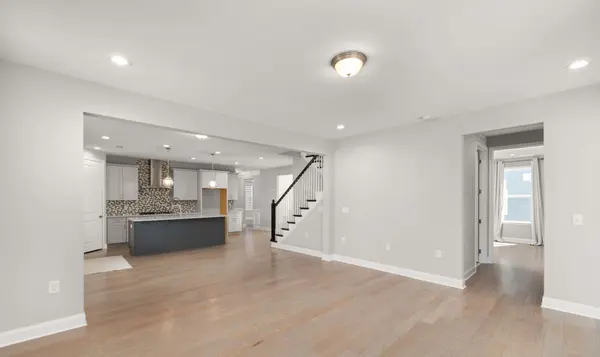
If you are coming from parts of Illinois with a mix of older housing, condos, and denser neighborhoods, St. John may feel different right away. Based on the town’s own development references, the housing stock appears to lean toward detached suburban homes, subdivisions, and some new-build pockets.
In practical terms, that means your search may focus more on single-family homes and subdivision living than on dense, walkable housing options. It also means that two homes with the same price can offer very different lot sizes, layouts, and commute tradeoffs depending on where they sit in town.
This is one reason relocation buyers should compare homes at the neighborhood and route level, not just by price or square footage. In St. John, the feel of daily life is closely tied to where the house is located.
Is St. John Actually Cheaper Than Illinois?
This is usually the first question, and the honest answer is: not always on price alone. Recent market data show St. John’s median sale price at $439,737.
For comparison, the same data source shows Orland Park at $384,720 and Mokena at $420,748 over the same period. So if you assume that moving into Northwest Indiana automatically means a lower purchase price, St. John may surprise you.
That said, purchase price is only one part of the cost picture. Many Illinois buyers also look at property taxes, monthly payment structure, and the kind of home they can get for the money.
Indiana Property Taxes Work Differently
One of the biggest differences between Illinois and Indiana is how property taxes are structured. In Indiana, owner-occupied homesteads are capped at 1% of gross assessed value, while other residential property is capped at 2%.
Indiana also offers a homestead deduction that can reduce assessed value by the lesser of 60% or $45,000. County auditors are the main point of contact for deductions and credits, and these deductions generally do not need to be reapplied for every year unless the property is sold or the title changes.
For an Illinois buyer, this can be one of the most important parts of the move to understand. A home in St. John may not be dramatically cheaper to buy, but the tax structure can still change your long-term ownership costs.
Compare the Full Monthly Payment
If you are deciding between Illinois and St. John, do not stop at list price. Instead, compare the full monthly cost of ownership.
That includes:
- Purchase price
- Property taxes
- Interest rate and loan terms
- Insurance
- Commute-related costs
- Any homeowner association fees, if applicable
This kind of side-by-side comparison usually gives you a clearer answer than price alone. For some buyers, St. John works best because of the monthly math. For others, the deciding factor is the home style, space, or lifestyle.
How Competitive Is the St. John Market?
St. John is not a market where you can assume every listing will sit for months. Recent data show homes selling in about 35 days, with a 99.2% sale-to-list ratio.
Some homes also receive multiple offers, which tells you the market remains somewhat competitive. If you are relocating from Illinois, it is smart to get pre-approved early and have your must-haves clearly defined before you start touring.
Preparation matters even more when you are buying across state lines. A clear plan can help you move faster when the right home hits the market.
What the Commute Really Looks Like
Many Illinois buyers want to know if St. John can work for a Chicago-area commute. The answer depends heavily on your exact job location, your schedule, and which part of St. John you choose.
St. John is about 24 miles southeast of Chicago, and Census data show a mean travel time to work of 31.2 minutes. That does not mean every commute is short or simple. It means you should expect a largely car-first routine and evaluate each home based on actual route access.
A house that looks similar on paper can create a very different daily drive depending on where it sits within town. That is why route planning should be part of your home search from day one.
Rail Options Are Regional
If you hope to keep a commuter rail option in your back pocket, the South Shore Line is the main regional rail service for Northwest Indiana. Nearby Lake County stations include Hammond, East Chicago, Gary Metro Center, and Gary/Chicago Airport, with service toward Millennium Station in Chicago.
For most St. John buyers, rail is not a town-center feature you can assume is right nearby. It is more of a regional commuting option that starts with a drive to the station.
That makes one step especially important: compare the drive time from each specific house to the station you would actually use. This can help you decide whether a rail-assisted commute feels realistic for your routine.
Daily Life in St. John
Your day-to-day lifestyle may shift when you move from Illinois to St. John, especially if you are leaving a more built-up area. St. John’s routine is centered more around parks, trails, local shops, and suburban retail than around dense walk-everywhere amenities.
The town highlights more than 20 parks along with bicycle and pedestrian trails. For many buyers, that supports the kind of suburban pace they are looking for.
It also means most errands and activities are likely to involve driving. If that fits the lifestyle you want, St. John can feel practical and comfortable. If you want a highly walkable environment, you should factor that into your decision.
Indiana Closing Steps to Expect
Closing on a home in Indiana can involve paperwork that feels unfamiliar if you have only bought in Illinois. One key example is the Sales Disclosure Form required for conveyances in Indiana.
In Lake County, the process is very specific. The county assessor must review and stamp the form before the county auditor accepts the conveyance.
Lake County’s Recorder’s Office handles recording for deeds, mortgages, liens, releases, leases, subdivision plats, and UCC filings. For most non-exempt transfers, the sales disclosure filing fee is $10.
Why the Sales Disclosure Matters
This form is not just another piece of closing paperwork to sign and forget. Based on Lake County’s workflow, the sales disclosure can also function as an application for homestead and certain other deductions.
That matters because an incorrect setup after closing could affect how the property is treated for Indiana tax purposes. For an Illinois buyer, this is one of the easiest places to miss a detail that becomes expensive later.
A smooth closing usually comes down to coordination. You want your lender, title company, and the county offices involved to be aligned so your property is set up properly after the sale.
Smart Questions to Ask Before You Buy
If you are narrowing down St. John as an option, ask questions that go beyond the listing sheet. A few smart questions can help you compare homes more accurately.
Consider asking:
- What is the estimated monthly payment with Indiana taxes included?
- How long does the commute take from this address during my normal work hours?
- Which South Shore Line station would make the most sense from this home?
- Is the property set up for homestead treatment after closing?
- How quickly are similar homes moving in this part of St. John?
These questions can help you avoid assumptions and focus on how the move would actually feel in real life.
How to Prepare for a Cross-State Move
A move from Illinois to St. John usually goes more smoothly when you treat it like both a housing decision and a systems change. You are not just changing addresses. You are also stepping into a different tax structure, commute pattern, and closing process.
A strong plan often includes:
- Getting pre-approved before touring homes
- Comparing full monthly ownership costs, not just price
- Mapping commute routes from each home you consider
- Reviewing closing paperwork expectations early
- Confirming homestead-related steps after closing
When you prepare this way, you are far less likely to run into surprises during escrow or after move-in.
The Bottom Line for Illinois Buyers
Moving to St. John from Illinois can make a lot of sense, but it works best when you look at the whole picture. Home prices may be similar to or higher than some southwest suburban Illinois comparables, yet Indiana’s tax structure and St. John’s suburban housing pattern may still create a better overall fit for your goals.
If you value a largely owner-occupied community, detached suburban housing, and a location that keeps you within reach of the Chicago region, St. John is worth a serious look. The key is to compare homes carefully, plan for a car-first routine, and make sure your Indiana closing details are handled correctly.
If you are considering a move from Illinois to Northwest Indiana, The Lauren Roman Group can help you compare the tradeoffs, understand the local market, and move forward with a clear plan.
FAQs
What should Illinois buyers know about St. John home prices?
- St. John is not automatically cheaper than nearby Illinois suburbs, with recent median sale price data showing St. John at $439,737 compared with Orland Park at $384,720 and Mokena at $420,748.
What should Illinois buyers know about property taxes in St. John?
- Indiana owner-occupied homesteads are capped at 1% of gross assessed value, and eligible buyers may also qualify for a homestead deduction that reduces assessed value.
What should Illinois buyers know about commuting from St. John?
- St. John is generally a car-first town, so commute times depend heavily on the home’s exact location, your route, and whether you plan to drive to a South Shore Line station.
What should Illinois buyers know about how fast homes sell in St. John?
- Recent market data show homes selling in about 35 days with a 99.2% sale-to-list ratio, and some homes receive multiple offers.
What should Illinois buyers know about closing on a home in Lake County, Indiana?
- Indiana requires a Sales Disclosure Form, and in Lake County the assessor must review and stamp that form before the auditor accepts the conveyance.
What should Illinois buyers know about homestead setup after closing in St. John?
- Because the sales disclosure can also function as an application for homestead and certain other deductions, buyers should coordinate carefully with their lender, title company, and county offices after closing.
Categories
Recent Posts