Staging Tips To Make Your St. John Home Stand Out
Wondering how to make your St. John home catch a buyer’s eye before they ever step through the door? In a market where buyers often compare multiple listings online first, presentation can shape how quickly your home gets noticed and how easily buyers picture themselves living there. The good news is that you do not need a full makeover to make a strong impression. A few smart staging choices can help your home feel brighter, cleaner, and more memorable. Let’s dive in.
Why staging matters in St. John
St. John is a largely owner-occupied community, and current market snapshots suggest sellers still need more than price alone to stand out. Depending on the data source, homes are seeing different list and sale timelines, but the consistent takeaway is that buyers have options and presentation matters.
Staging helps buyers understand the home faster. In the National Association of Realtors 2025 staging report, 83% of buyers’ agents said staging made it easier for buyers to visualize a property as a future home. That matters even more when your first showing often happens through photos, video, or a virtual tour.
Start with the rooms that matter most
You do not need to stage every room to make an impact. A selective approach is common, and it can be budget-friendly while still improving how your home shows online and in person.
Focus on the spaces buyers notice first and remember most:
- Living room
- Primary bedroom
- Kitchen
- Dining area
These rooms were identified by buyers’ agents as the most important spaces to stage, and they are also the rooms most commonly staged by sellers’ agents. If your budget or time is limited, start here.
Stage the living room for easy flow
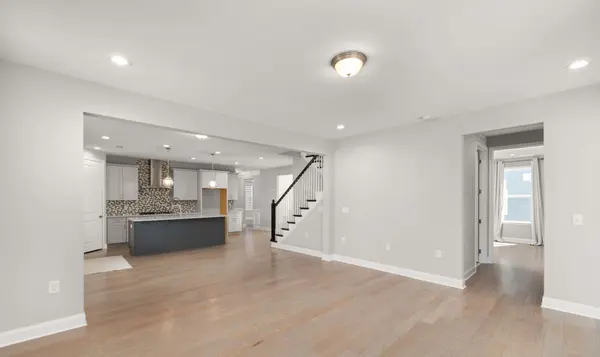
Your living room should feel open, comfortable, and easy to move through. Pull back oversized furniture if the room feels tight, and remove extra pieces that block walkways or make the space feel smaller.
Keep decor simple and neutral. A few well-placed accents can make the room feel finished, but too many personal items can distract buyers from noticing the space itself.
Make the primary bedroom feel calm
The primary bedroom should read as restful and spacious. Use simple bedding, clear off dressers and nightstands, and store away extra clothes or personal items that make the room feel busy.
If the room is large, make sure the furniture fits the scale. If it is smaller, avoid cramming in pieces that make it feel crowded.
Keep the kitchen bright and clean
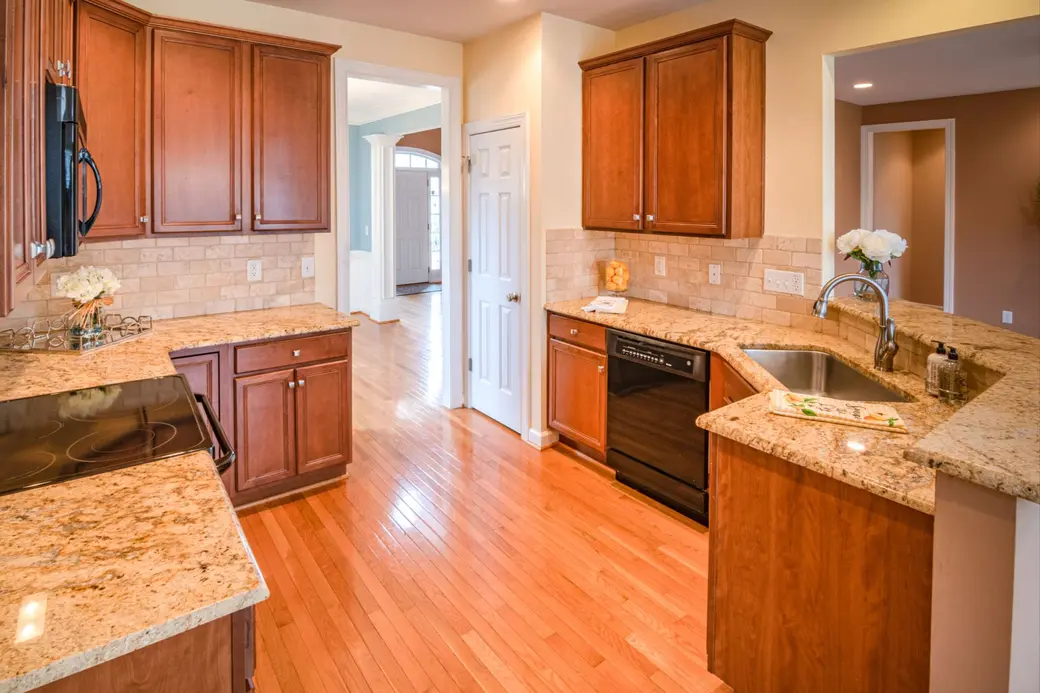
Kitchens do not need to look empty, but they should look efficient and cared for. Clear countertops as much as possible, leaving only a few intentional items like a coffee maker, bowl of fruit, or a small plant.
Wipe down cabinet fronts, polish fixtures, and make sure lighting is working well. Natural light is especially helpful, so open window coverings whenever possible.
Give the dining area a clear purpose
If you have a formal dining room or eat-in kitchen, show buyers exactly how the space works. A simple table setting or a clean centerpiece can help define the room without overdoing it.
If the area is currently serving multiple functions, staging can help simplify the message. Buyers should immediately understand where meals, gatherings, or everyday routines can happen.
Highlight flexible space
In St. John, where many households include more than one person and a significant share of residents are under 18, flexible rooms can be especially appealing. Even if a room is small or does not have a fixed purpose, clear staging can help buyers imagine how they might use it.
A bonus room, loft, or spare bedroom can be shown as:
- A home office
- A homework or study room
- A guest room
- A hobby space
The key is to choose one purpose and stage for that use. Mixed signals can make a room feel awkward rather than versatile.
Focus on low-cost updates with strong visual payoff
The best staging results often come from simple improvements, not major renovations. National staging guidance points to practical tasks like decluttering, deep cleaning, depersonalizing, carpet cleaning, minor repairs, and curb appeal as common and effective steps.
These updates tend to photograph well and help your home feel move-in ready. In a market like St. John, that kind of camera-friendly polish can make a meaningful difference.
Declutter and depersonalize
Buyers need space to picture their own routines in your home. That gets harder when counters are full, shelves are crowded, or every wall is covered with highly personal decor.
Pack away extra items early. This helps your home show better now and gives you a head start on moving later.
Use neutral colors
Neutral walls can help rooms feel brighter and more connected. If you have bold paint colors, touching up or repainting in a soft neutral can make your home more appealing in photos and easier for buyers to imagine as their own.
This does not mean every room has to feel plain. Texture, natural light, and a few warm accents can still make the space feel inviting.
Address minor repairs
Small issues can create the impression that bigger maintenance has been overlooked. Loose handles, scuffed trim, burnt-out lightbulbs, or squeaky doors may seem minor, but buyers notice them.
A simple pre-listing fix-it pass can help your home feel more polished and better cared for. That can support a stronger first impression during both photos and showings.
Clean or replace worn flooring
Flooring has a big visual impact. If carpet looks tired, a professional cleaning may help. If flooring is significantly worn, updated wood, vinyl, or tile surfaces may improve how the home shows.
You do not need to over-improve, but visible flooring issues can pull attention away from your home’s strengths. If buyers notice wear right away, they may start mentally adding to-do items before they finish the tour.
Do not overlook curb appeal
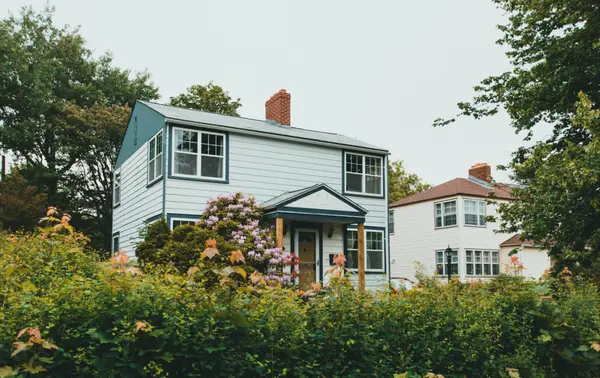
Your exterior is the first thing buyers see in person and often one of the first things they notice in listing photos. In Northwest Indiana, seasonal weather can affect that first impression more than many sellers expect.
With regional snow patterns often stretching from late fall into early spring, winter and early spring listings should pay extra attention to the basics. Clear walkways, shovel the driveway, use a clean front mat, turn on porch lighting, and make sure the front door looks fresh rather than weathered.
Show outdoor spaces as usable
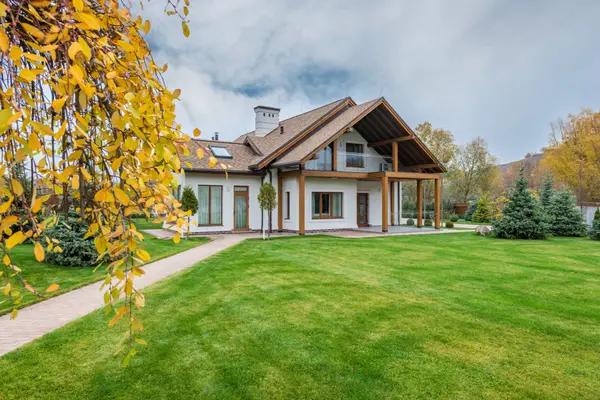
St. John’s parks, trails, and recreation amenities support an active outdoor lifestyle, so it helps when your own exterior spaces feel usable and inviting. Patios, decks, and backyards should look like extensions of the home, not forgotten square footage.
Even simple staging can help. Clean patio furniture, tidy landscaping, and a clearly defined sitting or dining area can help buyers understand how the space might function.
Stage for the camera first
Today, your listing often has to win online before it wins in person. Research shows buyers care strongly about high-resolution photos, floor plans, and virtual experiences, and many start their search on real estate websites before they ever schedule a showing.
That means your staging plan should support your listing media, not just your open house. A room that feels fine in person may still look dark, crowded, or unclear in photos if it is not prepared with the camera in mind.
Prioritize listing media that helps buyers engage
Strong listing presentation often includes:
- High-resolution photos
- Video
- Virtual tours
- Floor plans, if available
NAR reporting also suggests buyers’ agents place more value on real photos and physical staging than on virtual staging alone. Virtual staging can help in some cases, but it works best as a supplement, not a substitute for real preparation.
Keep the home consistent with the listing
When buyers arrive, the home should feel like the photos. If the listing looks bright, clean, and spacious, the in-person experience should match that impression.
Consistency builds trust. It also helps buyers stay focused on the home itself instead of wondering whether the listing oversold the space.
What staging typically costs
If you are wondering whether staging fits your budget, the numbers may be more approachable than you expect. In NAR’s 2025 report, the median spend was $1,500 when using a staging service and $500 when the seller’s agent personally staged the home.
That does not mean every listing needs professional staging. It does suggest that a thoughtful, selective staging plan can be a manageable pre-listing investment, especially compared with the value of making a strong first impression.
A smart St. John staging strategy
The goal is not to make your home look like someone else’s. The goal is to help buyers quickly see the value, function, and care behind the space.
In St. John, the strongest approach is usually simple and intentional. Think bright rooms, clean surfaces, clear furniture placement, flexible space, and polished listing media. Those details can help your home stand out without over-renovating or overspending.
If you are preparing to sell, the right plan can make the process feel much more manageable. For local guidance on pricing, presentation, and marketing your home for today’s buyers, connect with The Lauren Roman Group.
FAQs
How important is home staging for selling a house in St. John, Indiana?
- Home staging can be very helpful because it makes it easier for buyers to visualize the property as a future home and can improve how your listing performs both online and in person.
Which rooms should you stage first in a St. John home sale?
- Start with the living room, primary bedroom, kitchen, and dining area, since those are the rooms buyers’ agents say matter most.
Do you need to stage every room before listing a home in St. John?
- No. Selective staging is common, and many sellers focus only on the rooms that have the biggest impact on photos and buyer interest.
How much does home staging cost for a St. John seller?
- Based on NAR’s 2025 report, the median spend was $1,500 when using a staging service and $500 when the seller’s agent personally staged the home.
What are the best low-cost staging tips for a St. John house?
- Decluttering, deep cleaning, depersonalizing, touching up neutral paint, handling minor repairs, improving curb appeal, and using strong listing photos are some of the most effective low-cost steps.
Should you use virtual staging for a St. John listing?
- Virtual staging can help in some situations, but real photos and physical staging are generally viewed as more important, so virtual staging should support your marketing rather than replace real preparation.
Categories
Recent Posts