Trying to choose between Orland Park and Tinley Park? You are not alone. These two south suburban communities share a lot of the same strengths, which can make the decision feel tougher than expected. The good news is that a close look at home prices, commuting options, housing styles, and everyday amenities can make your choice much clearer. Let’s dive in.
Compare home prices first
For many buyers, price is the quickest way to narrow the search. As of March 31, 2026, Zillow reports an average home value of $397,472 in Orland Park and $329,388 in Tinley Park. Median sale prices also show a gap, with Orland Park at $369,833 and Tinley Park at $295,000.
That means Tinley Park may offer a lower typical entry point if you are trying to stretch your budget. Orland Park, on the other hand, may appeal to buyers who are comfortable paying more for a market with a larger retail base and broader amenity footprint.
Inventory is also very similar in both places. Zillow showed 154 homes for sale in Orland Park and 152 homes for sale in Tinley Park, so neither market appears to have a major advantage when it comes to the number of active listings.
Look at the housing feel
Both communities are strongly owner-occupied suburban markets. The Census Bureau reports an owner-occupied housing unit rate of 85.8% in Orland Park and 86.9% in Tinley Park.
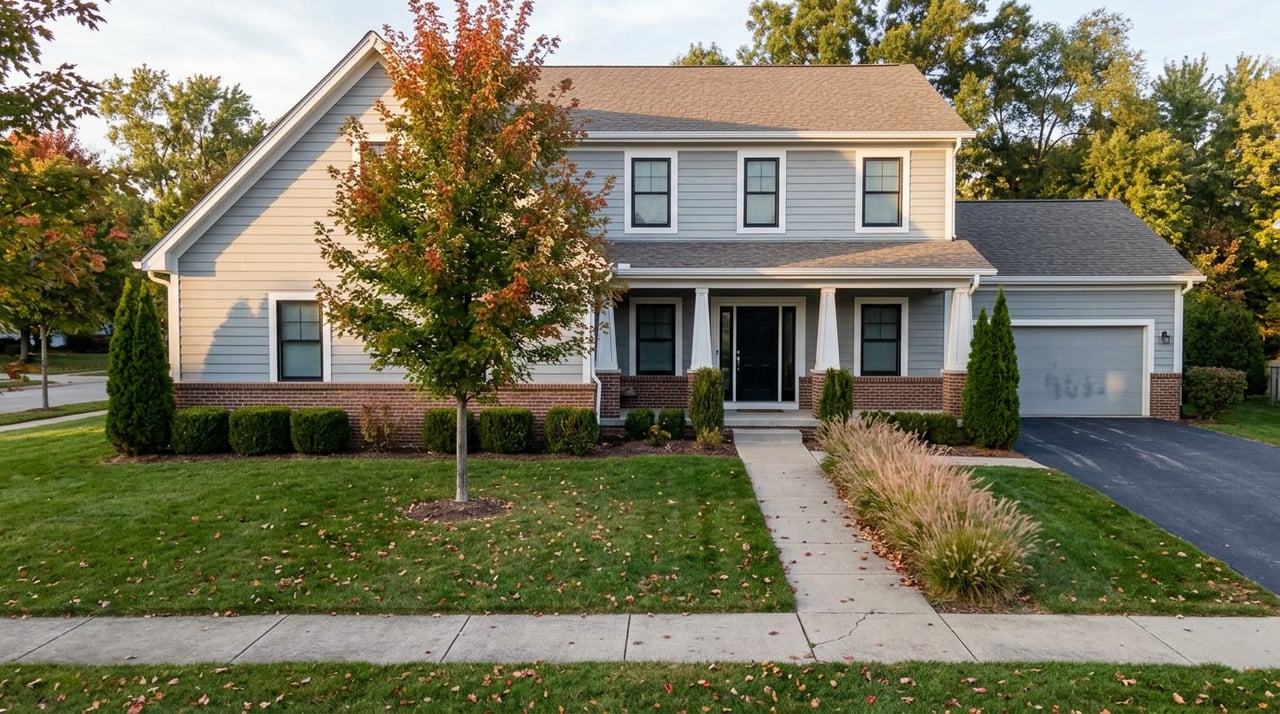
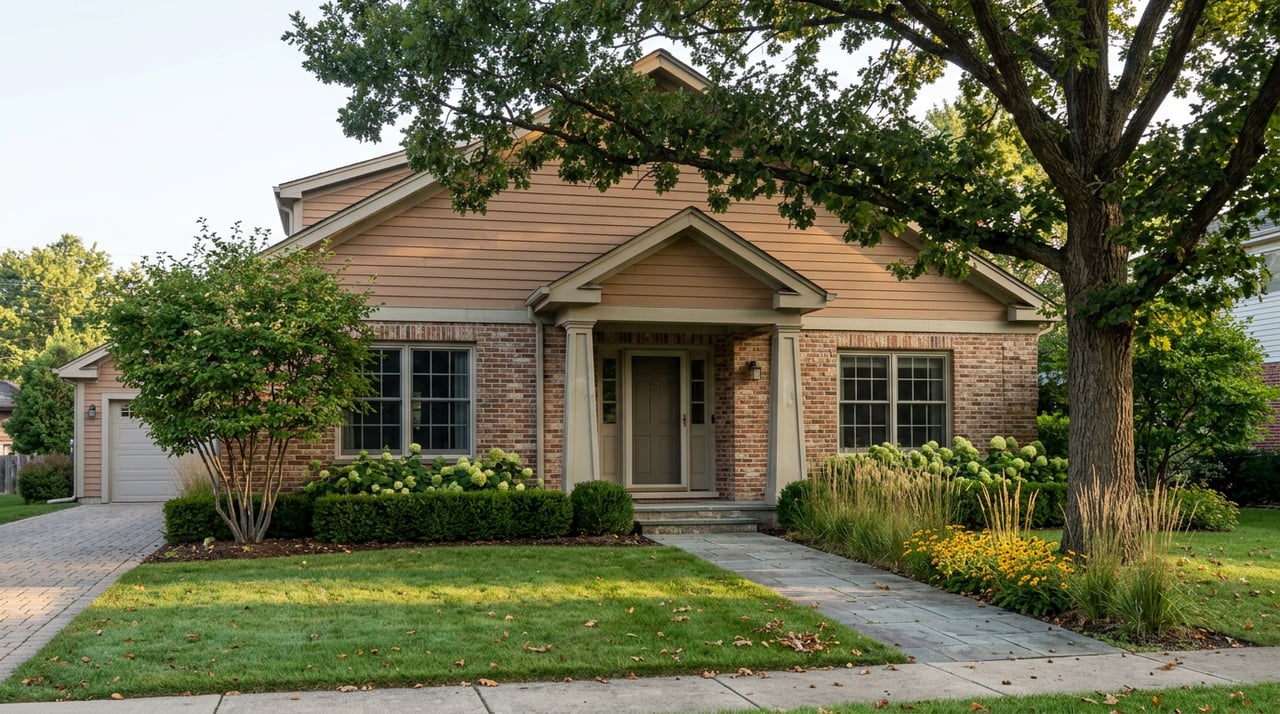
That tells you both areas lean heavily toward stable residential neighborhoods rather than renter-heavy environments. If you are looking for a classic suburban setting, both villages fit that description.
There are some differences in housing mix, though. Orland Park’s official materials point to detached homes, attached homes and townhomes, condos, and multi-family buildings, and village planning documents describe efforts to broaden the housing mix further.
Tinley Park’s planning documents put more emphasis on single-family detached homes as the dominant residential land use. Townhomes and multi-family properties are a smaller share of the village’s land use, which suggests a somewhat stronger detached-home focus overall.
Think about your commute routine
If your main concern is average commute time, the two villages are nearly identical. Census data shows 33.8 minutes for Orland Park and 33.7 minutes for Tinley Park.
That means the better question is not which town has the shorter average commute. It is how you prefer to get around and how often you need flexibility beyond a standard weekday schedule.
Orland Park rail access
Orland Park is served by three Metra SouthWest Service stations:
- 143rd Street
- 153rd Street
- 179th Street
Metra states that SouthWest Service does not operate on weekends or holidays. The 153rd Street station has 1,364 parking spaces, is in fare zone 4, and connects to Pace Route 832.
If you mainly commute during the workweek and want multiple station options in town, Orland Park may fit your routine well. If weekend train access matters to you, this is an important detail to weigh carefully.
Tinley Park rail access
Tinley Park is served by two Metra Rock Island stations:
- Tinley Park
- Tinley Park–80th Ave.
The Rock Island line does operate on weekends and holidays, which can be a meaningful advantage if you use the train for more than just work. The Tinley Park station is in fare zone 3 with 782 parking spaces and a Pace Route 386 connection, while the 80th Ave. station is in zone 4 with 2,126 parking spaces.
Tinley Park also highlights access to I-80, the I-57 interchange, and major roads like Harlem Avenue, LaGrange Road, Oak Park Avenue, and 159th Street. If you drive often across the south suburbs or toward regional job centers, that road network may stand out.
Compare shopping and daily convenience
Orland Park has the larger retail footprint by a wide margin. Village materials describe it as a regional shopping destination with more than 12 million square feet of commercial space.
That includes more than 1.2 million square feet at Orland Square Mall and more than 700,000 square feet at Park Place Mall plus outlots. The Downtown Orland Park project is also adding more than 140,000 square feet of retail and entertainment space.
In practical terms, Orland Park may feel more like the bigger, more retail-driven suburban hub. If you like having a wide range of shopping, services, and dining concentrated nearby, that may be a strong point in its favor.
Tinley Park’s identity reads a little differently. Village materials emphasize a downtown and entertainment-focused feel, with assets like the Hollywood Casino Amphitheatre, Odyssey Golf Course, and Odyssey Fun World forming part of a broader entertainment corridor.
The village also actively manages parking around the Oak Park Avenue Metra area to support downtown businesses and events. If you prefer a setting that feels more centered around a downtown district, train access, and event activity, Tinley Park may be a better match.
Review parks and recreation
Both communities offer a lot to do, but the scale is different.
Orland Park says its Recreation and Parks Department oversees more than 650 acres of park land. The village also lists 55 playgrounds, more than 139 baseball or softball fields and tennis or basketball courts, an outdoor ice arena, an outdoor water park, two fitness centers, and more than 63 miles of walking and bicycle paths.
That is a large recreation system with a wide mix of built-in options. If you want lots of park choices, organized recreation spaces, and trail access, Orland Park has a very broad amenity base.
Tinley Park-Park District says it maintains 40 parks, 34 ball fields, 33 playgrounds, 15 picnic shelters, 7 facilities, and about 428 acres of parkland while leasing another 180 acres. Major facilities include the Tony Bettenhausen Recreation Center, Tinley Fitness, White Water Canyon Water Park, Tinley Junction Miniature Golf, the Vogt Visual Arts Center, the Canine Campus dog park, and the Tinley Park Performing Arts Center.
Tinley Park still offers a substantial park system, even if it is smaller in raw acreage. If you value a strong mix of recreation and community facilities in a somewhat more compact setting, Tinley Park still checks many boxes.
Which lifestyle fits you best?
For many buyers, this choice comes down to tradeoffs rather than one village being clearly better. Both communities have high owner-occupancy, similar commute times, and active housing markets.
You may lean toward Orland Park if you want:
- A higher-priced market with a larger suburban footprint
- A broader mix of housing types
- Major retail concentration nearby
- A very large parks and recreation system
- Multiple Metra stations for weekday commuting
You may lean toward Tinley Park if you want:
- A lower typical entry price
- Weekend and holiday Metra service on the Rock Island line
- Strong road access near I-80 and I-57
- A more compact downtown and entertainment-oriented feel
- A housing landscape with strong emphasis on detached homes
A smart way to decide
If you are torn between the two, try narrowing your search around the factors that affect your daily life most. Start with your budget, then rank commute style, housing type, and the kind of amenities you want closest to home.
It can also help to view both markets side by side in real time. A local comparison of available homes, price points, and neighborhood patterns often makes the answer feel much more obvious once you see what your budget actually buys in each community.
Whether you are buying your first home, moving up, or relocating within the south suburbs, the right choice is the one that fits your routine, priorities, and long-term plans. If you want help comparing Orland Park and Tinley Park with current listings and local insight, reach out to The Lauren Roman Group.
FAQs
What is the home price difference between Orland Park and Tinley Park?
- As of March 31, 2026, Zillow reports an average home value of $397,472 in Orland Park and $329,388 in Tinley Park, with median sale prices of $369,833 and $295,000 respectively.
Which suburb has better train access: Orland Park or Tinley Park?
- Tinley Park offers weekend and holiday Metra service on the Rock Island line, while Orland Park’s SouthWest Service does not operate on weekends or holidays.
Are Orland Park and Tinley Park both mainly owner-occupied communities?
- Yes. Census data shows owner-occupied housing unit rates of 85.8% in Orland Park and 86.9% in Tinley Park.
Does Orland Park or Tinley Park have more shopping and recreation?
- Orland Park has the larger retail and recreation footprint based on official village data, while Tinley Park offers substantial parks and amenities with a stronger downtown and entertainment-oriented identity.
Is Tinley Park or Orland Park better for buyers on a budget?
- Based on current Zillow figures, Tinley Park has a lower average home value and lower median sale price, which may make it the better fit for buyers seeking a lower typical entry point.