Selling a home can feel like a lot to manage, especially when you are trying to balance timing, pricing, prep work, and paperwork all at once. If you are getting ready to list in Homewood, it helps to know that today’s buyers are comparing options carefully, which means your strategy matters from day one. When you understand the process ahead of time, you can make better decisions and avoid unnecessary stress. Let’s walk through what you can expect when you list your Homewood home.
Homewood Market Expectations
If you are listing in Homewood, expect buyers to pay close attention to value, condition, and commute convenience. Homewood’s downtown is close to the Metra station, and the Village highlights rail access along with connections to major highways like I-80, I-94/I-294, I-57, and U.S. 30, which can shape buyer interest in the area. You can learn more from the Village of Homewood commuting and transit overview.
Recent market snapshots show some variation by source, but the bigger takeaway is consistent. Redfin’s Homewood housing market data reported a median sale price of $226,000 in March 2026, 73 days on market, and a 96.5% sale-to-list ratio. Other reports showed somewhat different numbers, but together they point to a market where pricing and presentation still matter.
That means you should not assume your home will sell instantly or far above asking just because inventory exists. In a market like this, buyers tend to compare homes closely and negotiate more carefully. A strong listing plan helps you stand out early and stay competitive.
Prepare Before You Go Live
A successful listing usually starts before your home hits the market. That pre-listing phase often includes pricing strategy, a walk-through of the home, repair recommendations, disclosure prep, staging guidance, and scheduling photography. Doing that work early can help your listing launch in a more polished and organized way.
For many sellers, this stage is where surprises are avoided. Instead of rushing once a buyer appears, you can identify likely issues ahead of time and handle them on your timeline. That can make the showing period and contract stage much smoother.
Complete Illinois Disclosures Early
In Illinois, sellers of residential real property are required to complete the Residential Real Property Disclosure Report and provide it to a prospective buyer before the contract is signed. The form covers 24 categories, including items related to the foundation, roof, walls, plumbing, electrical systems, HVAC, radon, asbestos, lead hazards, termites, lot-line disputes, and uncorrected legal violations.
The law also says you have a continuing obligation to update that disclosure before closing if something changes. Even if a sale is structured as is, that does not remove your disclosure responsibilities. The Illinois statute notes that sellers may wish to consult an attorney before completing the form, and you can review that guidance in the state disclosure requirements.
Know Lead Paint Rules
If your home was built before 1978, there is another step to expect. The EPA’s lead-based paint disclosure rule requires sellers to disclose known information about lead-based paint, provide any available records or reports, include the required warning statement and EPA/HUD pamphlet, and give buyers a 10-day opportunity to inspect or risk-assess unless that right is waived.
This is one reason early organization matters. When disclosures and documents are prepared in advance, you are less likely to face delays once an offer comes in.
Get Your Home Market-Ready
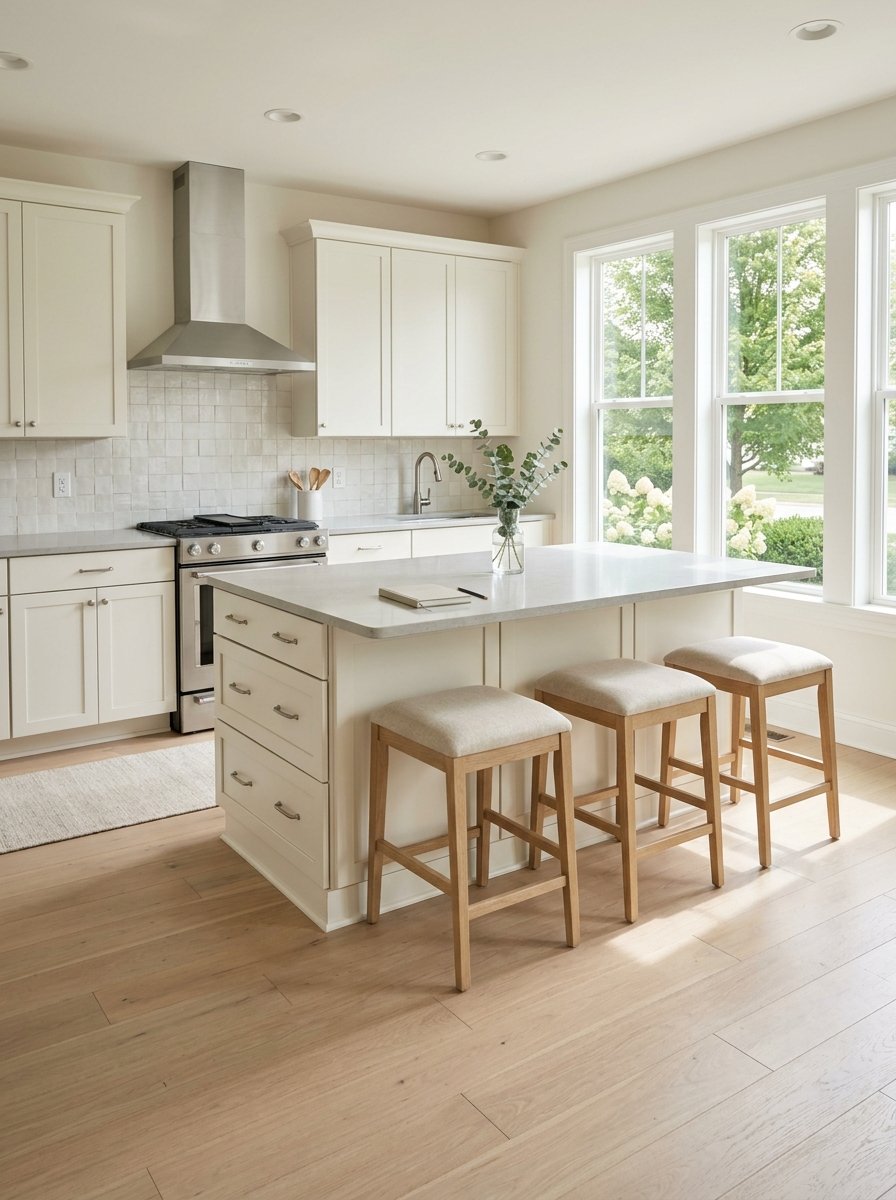
Once the legal and planning pieces are underway, the next step is presentation. Today’s buyers often form their first impression online, so your home’s condition and visual appeal can have a real impact on interest and showing activity. That is why many listing plans focus heavily on prep before launch.
According to the National Association of Realtors 2025 staging report summary, 29% of agents said staging increased the dollar value offered by 1% to 10%, and 49% said staging reduced time on market. That does not mean every home needs a major redesign, but it does show why clean, well-presented homes often perform better.
What Sellers Commonly Do Before Listing
The NAR 2023 Profile of Home Staging found that sellers’ agents most often recommend:
- Decluttering
- Whole-home cleaning
- Removing pets during showings
- Taking care of minor repairs
That same report found that buyers respond most strongly to staging in the living room, primary bedroom, and kitchen. In practical terms, you should expect your listing prep to focus on the rooms buyers notice first and remember most.
Expect Professional Marketing Assets
A modern listing launch often includes more than putting a home in the MLS. Buyers’ agents and sellers’ agents both place strong importance on photos, videos, staging, and virtual tours, according to NAR research. For you as a seller, that means the go-live date usually comes after the home is cleaned, styled, and professionally photographed.
This prep can take a little time, but it helps your home make a stronger first impression. In a market where buyers are comparing homes carefully, polished marketing is not extra. It is part of the strategy.
Price for the Market
Pricing is one of the biggest decisions you will make when you list your Homewood home. Price too high, and you may see fewer showings and more time on market. Price appropriately for current conditions, and you are more likely to attract serious interest early.
Based on recent Homewood data, sellers should be prepared for buyers to look closely at condition, location, and recent comparable sales rather than automatically stretching over list price. The local market data from Redfin, Zillow, and Realtor.com vary somewhat by methodology and timing, but they generally point to a market where buyers have enough information to compare options carefully. That is why a thoughtful pricing strategy matters from the beginning.
Showings and Buyer Feedback
After your home goes live, the next phase is active showings. In Homewood, sellers should be prepared for this stage to last more than just a weekend. Current market conditions suggest it may take a few weeks or longer to secure the right offer, so flexibility can help.
During this time, your home should stay as clean and accessible as possible. Buyers may schedule private showings, and feedback can help shape next steps if activity is slower than expected. Sometimes the response confirms the pricing and presentation are working. Other times, it reveals where small adjustments may help.
Offers and Negotiation
Once an offer arrives, the focus shifts from marketing to evaluation and negotiation. Price matters, but it is not the only factor. Closing timeline, financing terms, contingencies, and the buyer’s overall strength can all affect how appealing an offer really is.
This stage can move quickly, but it should still feel organized. Clear communication is especially important here, since questions, counteroffers, and deadlines often come in a short window. NAR reporting has shown that sellers care deeply about competitive pricing, marketing, timeline, and preparation, and those priorities carry directly into negotiations.
What Happens After You Accept
Accepting an offer is a big milestone, but it is not the end of the process. The transaction still has to move through attorney review, inspection-related discussions, financing milestones, and closing preparation. This is also when earlier disclosure work becomes especially important.
Because Illinois disclosures must be delivered before contract signing and updated before closing if something changes, the post-offer period still requires attention to detail. If your home falls under the federal lead-based paint rules, that documentation and timing can also affect the transaction. A smooth closing usually comes from staying ahead of these steps, not waiting until the last minute.
Why Communication Matters
Selling a home is easier when you know what is happening and what comes next. NAR reporting has found that sellers choose agents largely based on reputation, honesty, trustworthiness, and referrals, while industry leaders in shifting markets emphasize proactive communication. That makes sense because good communication reduces uncertainty at every stage.
For you, that should look like regular updates, a clear timeline, and guidance that helps you prepare before each milestone. When the process is explained well, decisions feel less overwhelming. You stay informed, and the transaction stays on track.
If you are thinking about listing in Homewood, the best experience usually starts with a plan that covers pricing, prep, marketing, disclosures, and communication from the beginning. That kind of structure helps you avoid common delays and puts your home in the best position to attract serious buyers. When you are ready for tailored guidance and responsive support, connect with The Lauren Roman Group.
FAQs
What should you expect from the Homewood home selling timeline?
- In Homewood, recent market data suggests you should be prepared for showings and negotiations to take several weeks rather than expecting an instant sale.
What disclosures are required when selling a home in Homewood, Illinois?
- Illinois sellers must complete the Residential Real Property Disclosure Report and provide it before contract signing, and they must update it before closing if any relevant information changes.
What happens if your Homewood home was built before 1978?
- If your home was built before 1978, federal rules require lead-based paint disclosures, any available records or reports, the required warning language and pamphlet, and a 10-day buyer opportunity to inspect unless waived.
What should you do before listing a home in Homewood?
- Most sellers should expect to declutter, deep clean, handle minor repairs, organize disclosures, and prepare for professional photography or video before the home goes live.
Why does pricing matter when listing a home in Homewood?
- Current market data suggests Homewood buyers compare homes carefully, so strategic pricing can help attract stronger interest and avoid unnecessary time on market.