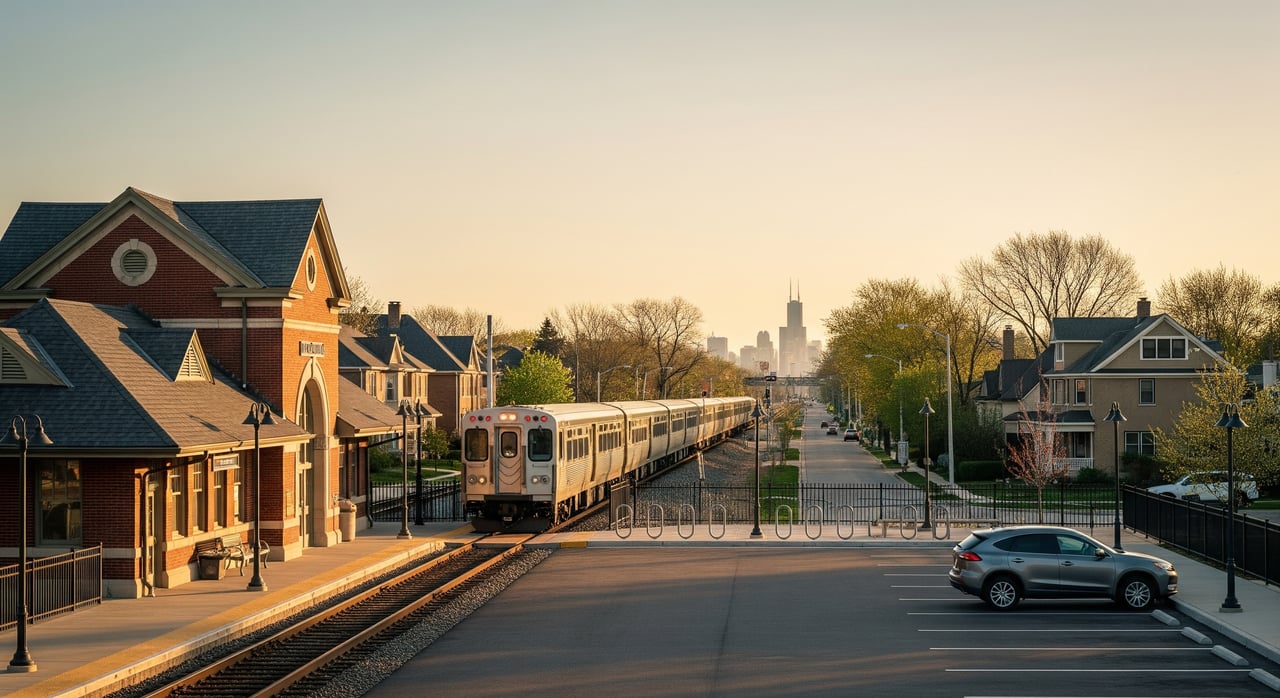
Trying to picture your daily ride from Homewood to the Loop? If you are weighing a move south, your commute is a big part of the decision. You want reliable trains, straightforward parking, and a clear sense of door-to-desk time. This guide breaks down what to expect and how to plan with confidence so you can focus on finding the right home. Let’s dive in.
Metra Electric: what to know
Homewood is served by Metra’s Metra Electric District, which runs to downtown Chicago at Millennium Station. The line offers a mix of local trains and faster limited or express runs. Rush-hour service is typically more frequent, while evenings and weekends run less often.
Because the Metra Electric uses Millennium Station, plan how you will get from there to your office. If you work near Union Station or Ogilvie, you will need a short walk, a CTA transfer, or a rideshare to complete the trip.
Service details change over time. Check current timetables, first and last trains, and any posted advisories before you commit to a routine. You can also sign up for alerts to get updates on delays, track work, or weather impacts.
Station access and parking basics
Most commuters reach the Homewood station by walking, biking, driving, or getting dropped off at a Kiss and Ride zone. Stations typically provide surface lots, permit parking, daily parking, bike racks, and ADA-accessible platforms, though exact amenities vary.
Permit vs. daily parking
Monthly permit or reserved parking can sell out at some stations, while daily parking is first-come, first-served and may use pay stations or mobile apps. Enforcement is routine, so plan ahead. If parking is part of your commute, verify the following before you buy:
- Who manages the lots and how to apply for a monthly permit
- Current daily rates and permit costs, plus payment methods
- Number of permit spaces versus daily spaces and typical morning availability
- Parking hours, overnight rules, and enforcement policies
- Security, lighting, and camera coverage
- Bicycle parking and whether covered or secure storage is available
- Kiss and Ride and curbside drop-off rules
First- and last-mile options
If you live a bit farther from the station, look into local bus connections, rideshare pickup areas, and bike-friendly routes. Sidewalks and bike lanes vary by neighborhood, so test your route during a typical morning to see how it feels in real conditions.
Door-to-desk travel time
Think in terms of your total commute, not just the train ride. Train times vary by local versus express service, and you will likely add a short walk or transfer after arriving at Millennium Station.
Use this simple door-to-desk formula to plan:
- Time from your home to the station
- Scheduled train time to Millennium Station
- Walk or transfer time to your office
- Add a small buffer for delays, weather, or elevator waits
What influences your time
Several factors affect your total commute:
- Train type and frequency at your preferred hour
- Time of day, especially peak versus off-peak
- Walk or transfer after arrival at Millennium Station
- Service advisories, weather, or track work
- First- and last-mile steps like parking, drop-off, or bike lock-up
Build a smart buffer
During your first few weeks, add extra time until you learn how your specific trains run. Sign up for alerts and track patterns day to day so you can tighten your schedule as you go.
Driving and alternate options
Driving into Chicago is possible via I-94 and I-90 toward the Dan Ryan, with nearby access to I-80 and I-294 depending on your exact location. Travel time is highly dependent on traffic and the direction of the rush, and peak congestion can add significant minutes compared with off-peak.
Some commuters combine modes. You might park and ride from a different Metra station if it better aligns with your office location, or drive on days with off-site meetings. If your employer offers commuter benefits, factor that into the cost comparison between monthly passes, daily fares, and parking.
Neighborhoods near Homewood to consider
Choosing where to live often comes down to the tradeoff between walkability, parking needs, and budget. Focus on proximity to the station, your housing preferences, and how you plan to commute most days.
- Homewood (village center). Walkable access to the Homewood Metra station with village services and local shops nearby.
- Flossmoor. An adjacent suburb with its own Metra station and a compact, pedestrian-friendly downtown.
- Glenwood. Just north of Homewood and served by the Metra Electric at the Glenwood station, often with more affordable options.
- Olympia Fields and Matteson. Larger-lot suburban feel; some areas sit farther from the Homewood station but offer other Metra access points or stronger expressway access.
- Other south-suburb options. Explore based on your goals for schools, taxes, home style, and commute flexibility.
What to check during tours
- Walking or driving time to the Homewood station at your actual morning departure time
- Permit waitlists, daily parking availability, and current costs
- Late-evening and weekend service options if you work flexible hours
- Local property tax rates, school district boundaries, and recent resale trends
- Noise, lighting, and comfort near the station or main roads
How to choose a commute-friendly home
- Map your likely morning and evening trains. Note whether you prefer local or express.
- Test your door-to-desk route on two weekdays at your target hours.
- Decide if you want to walk, bike, or drive to the station most days.
- Confirm parking or bike storage details before you make an offer.
- Budget with real numbers. Compare monthly pass and parking against driving costs, and consider employer transit benefits.
Ready to align your home search with a smooth commute? Our team helps you compare neighborhoods near Metra stations, test real-world door-to-desk times, and set up tours that fit your schedule. Reach out to The Lauren Roman Group to start a tailored search or to get your free home valuation.
FAQs
How long does the Homewood-to-downtown train ride take?
- Times vary by specific train and whether it is local or express; plan using the current Metra Electric timetable and add time for your walk or transfer from Millennium Station.
Is parking at the Homewood Metra station easy to get?
- Not always; monthly permits can fill and daily lots can reach capacity on busy mornings, so check permit availability, waitlists, and typical morning occupancy.
What parking and fare costs should I expect as a commuter?
- Costs change; confirm current daily and monthly parking rates, fare zones, single-ride prices, and monthly pass options, and factor in any employer commuter benefits.
How reliable is Metra Electric during morning rush hours?
- Peak service is generally reliable, but delays happen; sign up for alerts and build a small buffer until you learn the patterns of your preferred trains.
What if my office is near Union Station or Ogilvie?
- The Metra Electric terminates at Millennium Station; plan a short walk, CTA connection, or rideshare from there, or consider a different Metra line that ends closer to your office.
Is weekend or off-peak service frequent enough for my schedule?
- Weekend and off-peak service is reduced and some express trains do not run; check the current timetable if you often travel midday or on weekends.